
Little Nightmares III feels less like descending into a vivid dream and more akin to nodding off during a dull film. You jolt awake halfway through, realising you’ve been here before, only this time, it’s slower, emptier, and not nearly as haunting as you remember.
The third entry in the critically acclaimed 2D puzzle-platform horror series, Little Nightmares III faces some growing pains that may stem from its change in developer. With Supermassive Games taking over from Tarsier Studios, the shift in creative direction is noticeable. Supermassive, best known for the award-winning Until Dawn and the less successful The Devil in Me, brings a different sensibility to the franchise.
Unlike the narrative-driven interactive dramas that define Supermassive’s catalogue, Little Nightmares III marks a significant departure in both tone and gameplay. Tarsier Studios, creators of the first two entries, were unable to return after their acquisition by Embracer Group, while publisher Bandai Namco retained ownership of the IP.
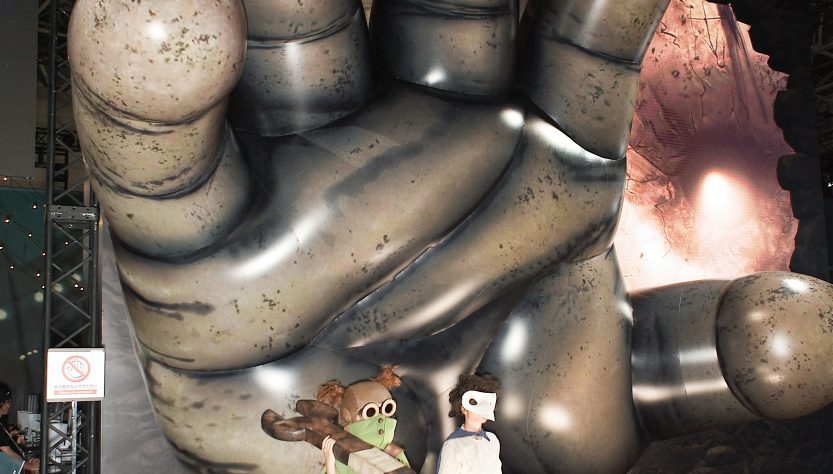
It starts off well, with players invited to choose between two fairytale-esque, highly stylised characters, the nightmarish world they’re swallowed into is hauntingly beautiful. Little Nightmares III captures a blend of surreal horror with the mundane of real life – the familiar and the unfamiliar – akin to Tim Burton’s oeuvre of work. Muted palettes dominate with dusty browns, ashen greys, and flickers of harsh yellow lighting. Every location feels steeped in a deep haze, as if you’re wandering through the remnants of a dream just before waking up. Light isn’t just illumination; it’s a mood that reveals the grotesque and conceals comfort. Each area within The Spiral (an endless plane of different ghoulish realms) has its own twisted personality. From the skeletal ruins of The Necropolis to the sugar-coated horror of The Candy Factory, they share a cohesive visual language: oppressive scale, worn materials, and surreal geometry that suggests a world half-collapsed under its own anxiety. (very well written and excellently structured).
Sadly, this is where the praise ends. Gameplay is left lacking, with your playable character automatically responding to their environment, thereby bypassing any analytical element needed to solve the puzzles along the way. Throughout my six-hour playthrough, there was rarely a time when I felt like I had to analyse the environment for a solution, since my chosen character would simply pull out their gadget, and then the answer was laid bare. It can feel borderline insulting that a game marketed as “survival horror” will take out the survival aspect of scanning through your environment and experimenting with different solutions. The result is that you will spend most of your playtime shuffling along various levels without having to fire a single synapse in your brain. It gets very boring, very quickly.
For a game built on nightmares, Little Nightmares III is strangely afraid to take risks. It’s gorgeous, yes – a gallery of grim dioramas and twisted fairy-tale vistas – but behind that haunting veneer lies a hollow experience that sleepwalks through its own potential.
